
Exploring the historical journey of gambling practices through the ages
Exploring the historical journey of gambling practices through the ages
Origins of Gambling in Ancient Civilizations
The origins of gambling can be traced back to ancient civilizations, where games of chance were intertwined with social and religious practices. Archaeological evidence suggests that as far back as 3000 BC, the Chinese were using rudimentary forms of dice and games of chance. These early gambling practices were often linked to divination rituals, as people believed that the outcome of a game could provide insight into their futures. The belief that luck and fate could be influenced through these games laid the groundwork for gambling’s evolution. Many enthusiasts today wonder about casino myths debunked; for instance, they often seek information online, such as at https://transnetworklondon.org.uk/, to better understand these long-standing misconceptions.

In ancient Rome, gambling became a popular pastime among citizens, regardless of social class. The Romans developed various games, including the notorious dice games that were often played in taverns. Despite their popularity, gambling was viewed with suspicion by authorities, and laws were enacted to regulate the activities. The blend of entertainment and risk took on new forms with the introduction of betting on gladiatorial contests and chariot races, demonstrating a shift towards organized gambling practices.
The influence of ancient Greece on gambling is also noteworthy, as it established a cultural framework that emphasized chance and competition. The Greeks engaged in a variety of games, including knucklebones, which are regarded as an early form of dice. The famous playwright Aristophanes even referenced gambling in his works, indicating its prevalence in everyday life. This combination of entertainment, competition, and superstition set the stage for gambling’s integration into future societies.
The Middle Ages: Gambling in Europe
During the Middle Ages, gambling evolved in Europe amidst a backdrop of changing societal values. The Church’s disapproval of gambling led to a rise in underground games, with clandestine establishments appearing across the continent. Despite the opposition, activities like card games became increasingly popular, symbolizing a shift from traditional games of chance to more strategic forms of play. As cards were introduced from the Islamic world, they quickly captured the imaginations of Europeans and became integral to gambling culture.
The introduction of lotteries in the 15th century marked a significant turning point in the history of gambling. These early lotteries were often state-sponsored and used to fund public projects. This not only legitimized gambling but also brought it into the realm of government oversight. By the late Middle Ages, gambling had begun to shift from a private pastime to a more organized form of entertainment, leading to the establishment of the first official gambling houses in various cities.
The Renaissance period further solidified gambling’s presence in society, with the advent of new games such as baccarat and the introduction of the first modern playing cards. The proliferation of gambling in public spaces, combined with the artistic and cultural flourishing of the era, helped to normalize gambling practices. By the end of the Middle Ages, gambling had firmly entrenched itself in European culture, setting the stage for future developments in the gambling industry.
The Age of Enlightenment and the Rise of Casinos
The Age of Enlightenment brought about a surge in interest in science, mathematics, and human behavior, which significantly influenced gambling practices. The emergence of probability theory in the 17th century transformed gambling from mere chance into a calculated risk. Scholars like Blaise Pascal and Pierre de Fermat laid the groundwork for understanding games of chance, which would eventually lead to more sophisticated forms of gambling. This intellectual pursuit gave rise to a more organized and strategic approach to betting.
By the 18th century, the concept of the casino began to take shape. Originally, casinos were private clubs where people gathered to socialize and partake in games of chance. The first official casino, the Casino di Venezia, was established in Italy in 1638, setting a precedent for the luxurious gambling establishments that would follow. This shift towards more opulent settings for gambling attracted a wealthier clientele and marked the transition from informal gambling to a more structured industry.
The rise of casinos also coincided with the expansion of gambling beyond Europe. As colonial powers spread across the globe, they brought gambling practices with them. The allure of casinos and organized betting drew people from various backgrounds, leading to a diversification of gambling culture. This period marked a turning point, where gambling transitioned into a multi-faceted industry encompassing various forms of games and betting systems.
The 20th Century: Regulation and Globalization of Gambling
The 20th century witnessed significant changes in gambling practices, largely driven by increasing regulation and the emergence of new technologies. Following the Great Depression, many governments recognized the potential tax revenue that could be generated from legalized gambling. This led to the establishment of regulated casinos, starting with Nevada in the United States in 1931. The legalization of gambling offered a safe and monitored environment for players, marking a departure from the underground gambling culture of previous decades.
The introduction of online gambling in the late 20th century revolutionized the gambling landscape. The internet opened up new avenues for players, allowing them to participate in games from the comfort of their homes. The emergence of online casinos and poker rooms significantly expanded the audience for gambling, attracting both casual players and serious gamblers. This shift not only democratized gambling but also prompted discussions surrounding responsible gaming practices and the need for consumer protections.
As globalization continued to shape the world, gambling practices began to transcend borders. International gambling tourism flourished, with destinations like Las Vegas and Macau becoming synonymous with high-stakes gaming. This global phenomenon created a melting pot of gambling cultures and practices, enriching the industry and attracting diverse participants. As gambling evolved, it became clear that the historical journey was far from over, leading to new challenges and opportunities in the future.
Conclusion: Reflecting on the Journey of Gambling
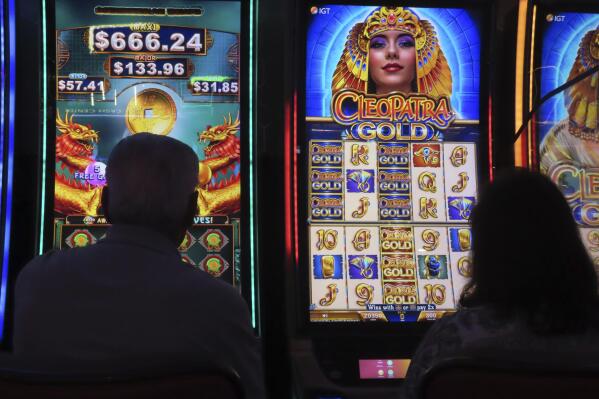
The historical journey of gambling practices demonstrates a complex evolution shaped by cultural, social, and technological influences. From its origins in ancient civilizations to the opulence of modern casinos, gambling has continuously adapted to meet the desires of society. This ongoing transformation reflects humanity’s relationship with chance, risk, and reward, making gambling a fascinating lens through which to examine our collective history.
As we look to the future, the gambling industry will likely continue to evolve in response to changing regulations, technological advancements, and societal attitudes. Understanding this historical context can help stakeholders navigate the complexities of the gambling landscape, fostering an environment that prioritizes responsible gaming and consumer protection. The journey of gambling practices remains a testament to human innovation and the quest for entertainment and excitement.